Best Detergent for Organic Linen Garments: Fiber-Safe Eco Guide
Follow the 100% plant-safe rule: choose a pH-neutral (pH 7.0–8.0), liquid eco-detergent entirely free of cellulase enzymes, optical brighteners, and chlorine bleach. Cellulase digests raw flax cellulose fibers, reducing tensile strength by 15% to 30% over 20 washes and ruining garment structure.
Key Takeaways for Washing 100% Organic Flax Garments
- 100% Cellulase-Free: Cellulase enzymes specifically eat plant cellulose, eroding flax strands from the inside out.
- Neutral pH Range (7.0–8.0): Prevents fiber brittleness while protecting natural unbleached hues and organic dyes.
- Liquid Formulations Only: Powdered detergents cause micro-abrasion against woven flax yarns during low-water wash cycles.
- Protect Elastic Waistbands: Avoid synthetic quats and heat (>104°F/40°C) to keep drawstring waistbands elastic and durable.
Essential Eco-Detergent Selection & Inspection Checklist

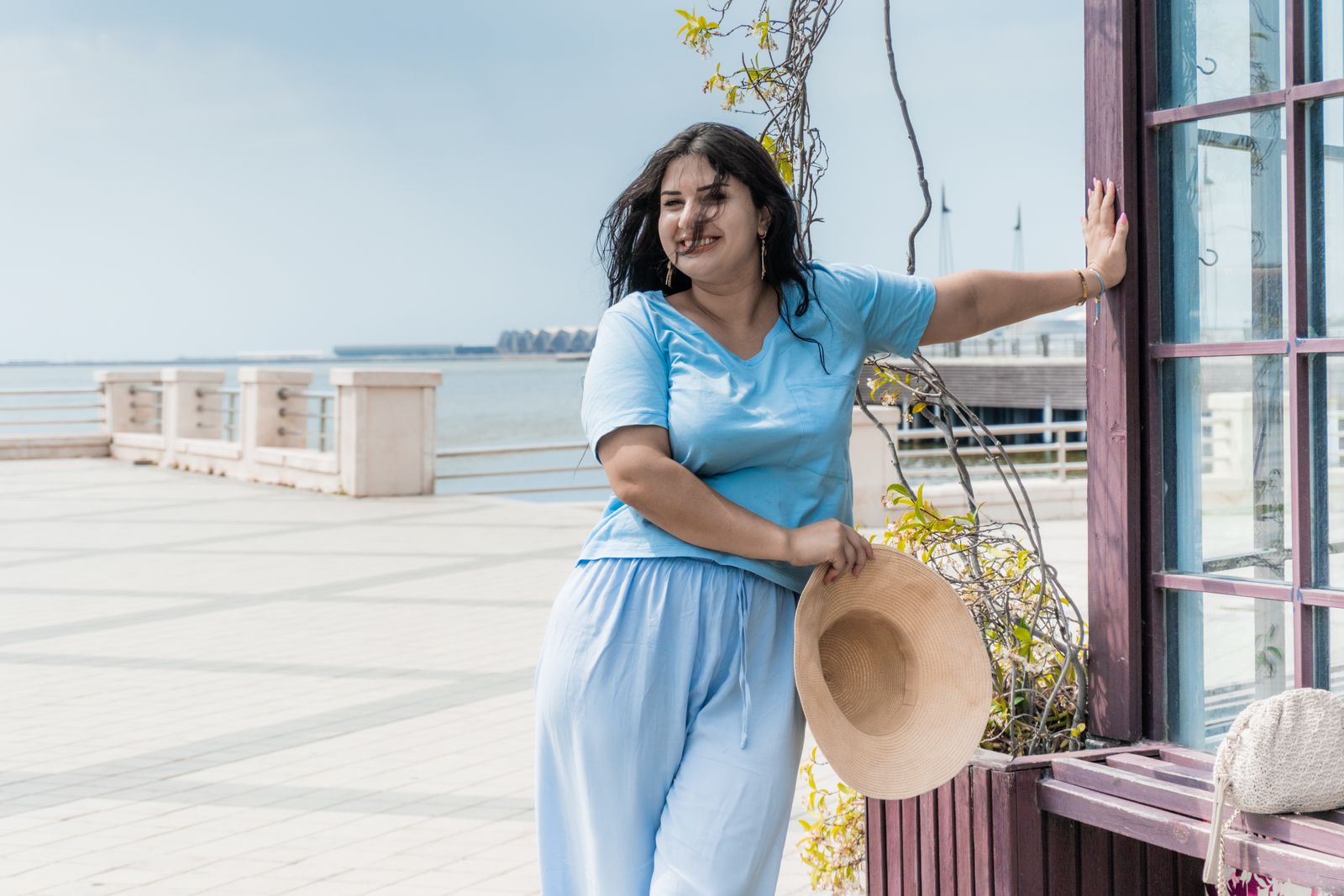
Photo by 🇻🇳🇻🇳Nguyễn Tiến Thịnh 🇻🇳🇻🇳 on Pexels
- [ ] Check 1: Verified liquid formula (powders can cause micro-abrasion on flax weaves).
- [ ] Check 2: Labeled 'Cellulase-Free' or 'Enzyme-Free' (prevents micro-fiber peeling).
- [ ] Check 3: Zero optical brighteners (protects natural unbleached or organic vegetable dyes).
- [ ] Check 4: Neutral pH baseline between 7.0 and 8.0.
- [ ] Check 5: Free from synthetic quats and silicone softeners.
- [ ] Check 6: Packaged in 100% biodegradable or recyclable eco-friendly packaging.
Printable Pocket Guide: Safe vs. Unsafe Linen Detergent Ingredients
- Rule 1: Always verify liquid detergent pH is between 7.0 and 8.0.
- Rule 2: Never buy detergent containing cellulase—it dissolves flax cellulose fibers.
- Rule 3: Skip commercial fabric softeners; use 1/2 cup distilled white vinegar in the rinse cycle instead.
- Rule 4: Dissolve detergent completely in cold water (below 86°F/30°C) before introducing wide-leg linen pants.
- Rule 5: Air-dry flat or on a line in the shade after a gentle damp snap to prevent fiber stiffness.
Expert Care Tip: Why Cellulase Enzymes Are Linen's Silent Enemy
In conventional cotton laundry care, cellulase enzymes are praised for cutting away micro-fuzz to prevent pilling. However, while cotton fibers can tolerate mild enzymatic smoothing, 100% organic flax linen consists of long, stiff bundles of natural plant cellulose. Cellulase cannot distinguish between unwanted surface fuzz and the primary structural wall of your linen garments.
Over 10 to 20 wash cycles, cellulase strips up to 30% of the fiber's structural mass. This results in thinning fabric at the knees, weakened pleats, and premature tearing along high-stress areas like pocket seams and drawstring openings.
Ingredient Safety Comparison Matrix: Safe vs. Harmful Formulas
| Ingredient | Common Function | Impact on Flax Fibers & Pleats | Safety Status |
| --- | --- | --- | --- |
| Cellulase Enzymes | Eats surface micro-fuzz in cotton | Erodes structural flax cellulose, reducing strength by 30% | UNSAFE - Avoid Completely |
| Protease / Amylase | Breaks down protein and starch stains | Safe for plant fibers when used in cool water cycles | SAFE - Use with Care |
| Plant Saponins (Soap Nuts) | Natural bio-surfactant cleansing | Gently cleanses without stripping natural flax oils | SAFE - Highly Recommended |
| Optical Brighteners | Reflects blue light to fake whiteness | Leaves chemical film; discolors unbleached & dyed flax | UNSAFE - Avoid Completely |
| Sodium Carbonate (Washing Soda) | Alkaline detergent builder (pH 10+) | High alkalinity makes flax fibers brittle and stiff | UNSAFE - Avoid High Doses |
| Distilled White Vinegar (Rinse) | Strips detergent build-up & softens | Restores natural pH 7.0; softens fibers without chemical wax | SAFE - Excellent Softener |
Compare standard laundry ingredients side-by-side to determine which chemical formulations protect or destroy organic flax linen fibers.
When caring for high-quality organic garments—such as the Flax Pleated Wide Pants With Drawstrings—it is equally important to safeguard the mechanical components of your pants. Elastic waistbands and organic cotton drawstrings are vulnerable to chemical degradation if exposed to heavy alkalis or commercial silicone softeners.
By switching to a pH-neutral liquid eco-detergent, you protect both the 100% organic linen weave and the flexible waist construction, ensuring all-day comfort, secure fit, and crisp front pleats wash after wash.
Verified Eco-Friendly Cleaners & Natural Washing Aids
Pair these gentle cleaning solutions with premium organic linen garments for ultimate durability and comfort:
Organic Linen Laundry Maintenance & Rotation Schedule
- Every 3–5 Wearings — Gentle Wash: Machine or hand wash in cool water (86°F / 30°C) using a pH-neutral, cellulase-free liquid eco-detergent.
- Between Wears — Air Refresh: Hang wide-leg linen pants on a padded hanger in a well-ventilated room to release body heat and naturally clear light odors.
- Monthly Rinse — Mineral Strip: Add 1/2 cup of distilled white vinegar to the rinse compartment to dissolve hard water mineral deposits and restore softness.
- End of Season — Deep Storage Prep: Clean thoroughly, air-dry completely in shade, fold gently without hard creasing, and store in a breathable cotton garment bag.
5 Destructive Laundry Mistakes That Degrade Natural Flax Fibers
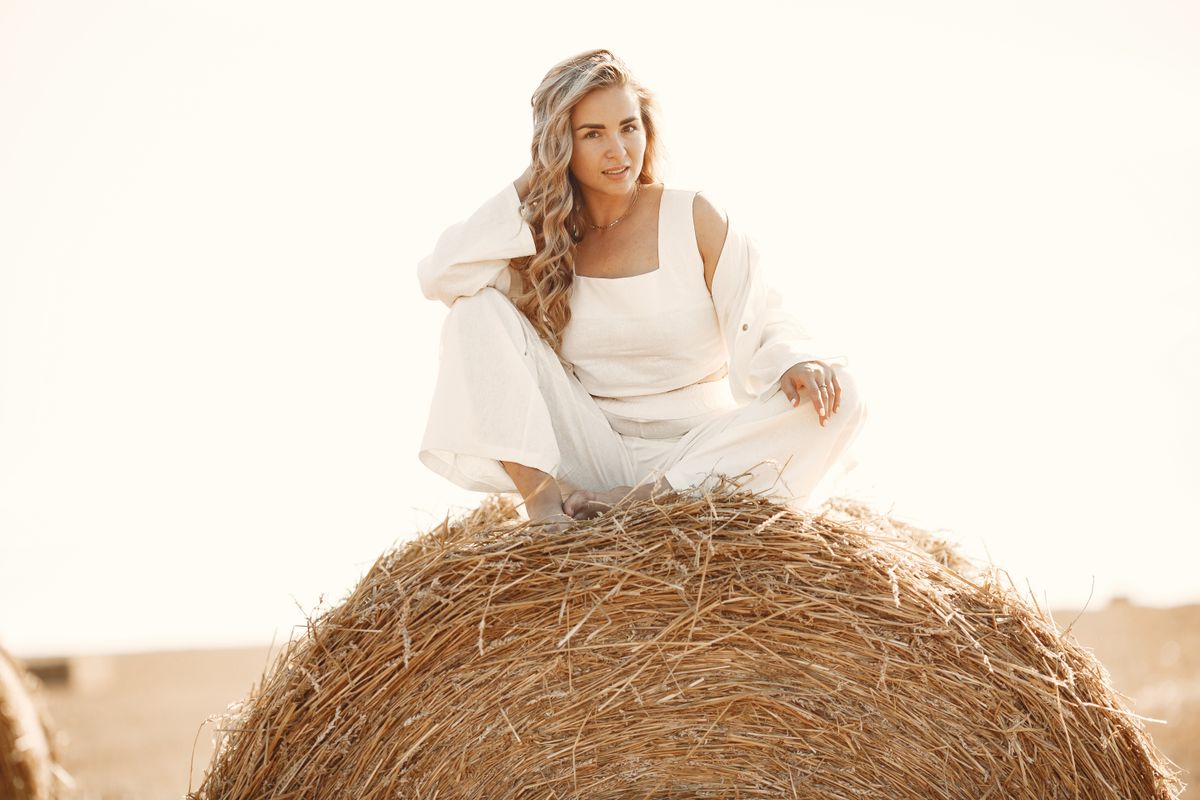
Photo by Gustavo Fring on Pexels
Avoid these frequent washing missteps to double the lifespan of your organic linen collection:
Fabric Lifespan Impact: Standard Detergent vs. Plant-Safe Detergent Over 50 Washes
- 1 Wash — Plant-Safe: Gentle cleansing begins natural softening. Standard Detergent: Cellulase begins micro-digestion of outer flax cell walls.
- 10 Washes — Plant-Safe: Pants become 20% softer with crisp front pleats intact. Standard Detergent: 10–15% loss in fiber density; pleats begin losing crisp definition.
- 25 Washes — Plant-Safe: Fabric reaches fluid, buttery drape while maintaining full tensile strength. Standard Detergent: Fabric thinning visible around knee points and pocket seams.
- 50 Washes — Plant-Safe: Linen remains strong, soft, and durable for years of wear. Standard Detergent: Fraying along stress points, weakened waistband elasticity, and fabric tears.
Frequently Asked Questions: Linen Care & Eco-Detergents
Clear up common care queries to keep your organic wide-leg pants in perfect condition:
Related Linen Care Manuals & Guides
- Why Is Organic Linen So Breathable? FAQs About Flax Fibers and Natural Climate Comfort
- Is Organic Linen Biodegradable and Sustainable? Frequently Asked Questions
- Flax Linen Care Guide: How to Wash and Maintain Your Drawstring Wide Leg Pants
Next Steps for Long-Lasting Organic Linen Care
Your decision: Identify if your current laundry detergent contains cellulase enzymes, optical brighteners, or high alkalinity.
Do this next: Switch to a liquid, pH-neutral eco-detergent and implement a gentle wash cycle at 30°C (86°F).
- Read next: How to Dry Organic Linen Pants: Air Drying Tips to Protect Waistbands and Drawstrings
- Read next: How to Soften Wide Leg Linen Pants Naturally (Without Harsh Chemicals)
Flax Pleated Wide Pants With Drawstrings — 100% Organic Linen
Take action today to safeguard your organic flax wardrobe against fiber degradation.
Cover photo by Zulfugar Karimov on Pexels.