Hand Washing vs. Machine Washing Linen Pants: Preserving Pleats and Elastic Waistbands
Should you hand wash or machine wash your wide-leg organic linen pants? Hand washing in cool water provides maximum longevity for tailored front pleats, prevents drawstring displacement, and protects elastic waistbands from premature degradation. However, machine washing on a delicate, cold-water cycle inside a protective mesh laundry bag offers a safe, convenient alternative for routine everyday maintenance.
Wash Method Impact Matrix: Hand Wash vs. Gentle Machine Wash
| Scenario / Garment Feature | Hand Wash (Cool Water) | Gentle Machine Wash (Mesh Bag) | Standard Machine Wash (Avoid) | | --- | --- | --- | --- | | Front Pleat Retention | Optimal: Gentle pressing in standing water preserves crisp crease lines without physical distortion. | Moderate: Low-spin cycles preserve basic folds, though minor finger-pressing while damp is required. | Poor: Heavy mechanical tumbling crushes front pleats and flattens structured creases entirely. | | Elastic Waistband Protection | Maximum Lifespan: Zero mechanical stretching or thermal stress keeps internal core rubber/elastane resilient. | High Protection: Cold-water delicate agitation minimizes waistband stress when kept inside a mesh bag. | High Failure Risk: Agitator twisting and high spin speeds stretch out the waist and degrade elastic fibers. | | Drawstring Security | Complete Safety: Drawstrings remain undisturbed throughout the wash process. | Protected: Tying a loose bow and using a zippered mesh bag prevents drawstrings from pulling out. | Severe Loss Risk: Loose strings catch on agitators or other garments, pulling free or fraying. | | Organic Flax Fiber Wear | Minimal Abrasion: Water bath bath movement prevents surface friction, preserving fabric softness. | Controlled Friction: Short cycle duration and reduced spin minimize surface fuzzing (pilling). | High Wear: Harsh drum friction causes fiber micro-fractures, weakening fabric over time. | | Time & Convenience | 10–15 Minutes: Requires active manual soaking, gentle squeezing, and setup. | Effortless (30 Min Cycle): Fully automated; requires only pre-wash sorting and bagging. | Fast but Destructive: High convenience at the expense of garment structure and longevity. |
Selecting the right wash method depends on your garment's specific detailing and how much time you have. Below is a side-by-side breakdown of how different washing methods impact the structural features of wide-leg organic linen pants.
The Trade-Offs: Hand Washing vs. Machine Washing Organic Linen

Photo by Angel Ayala on Pexels
Pros
- Hand washing eliminates drum friction, drastically extending the life of 100% organic flax fibers.
- Manual control allows targeted spot-cleansing of hem lines and pockets without stressing the whole garment.
- Hand washing preserves needle-stitched and pressed front pleats without requiring intensive re-ironing.
- Delicate machine washing inside a mesh bag saves significant time during weekly laundry routines.
- Machine washing ensures consistent water extraction, speeding up overall air-drying time.
- Standard machine cycles generate high friction that ruptures delicate flax fibers, causing surface pilling.
- Warm or hot machine washes heat-degrade internal elastic waistband threads, causing permanent waist sagging.
- Unsecured drawstrings in washing machines frequently twist, knot, or detach inside internal waistband channels.
- Hand washing requires dedicated sink space, manual effort, and longer wet-handling time.
- Incomplete hand-rinse cycles can leave soapy residue that stiffens natural flax fabric upon drying.
Linen Care Pro Tip: Securing Drawstrings and Pleats Before the Wash
Before submersing your wide-leg linen pants in water—whether in a washbasin or washing machine—always tie the cotton drawstring into a loose, soft bow and fold the front pleats along their natural grainlines. Placing the folded pants inside a breathable, zippered mesh wash bag acts as a protective shield against drum friction, preventing drawstrings from whipping around and protecting crisp pleat geometry.
Critical Washing Errors That Destroy Pleats and Stretch Waistbands
Natural organic flax fibers are exceptionally strong when wet, but structural garment details like elastic bands and sewn pleats are vulnerable to bad laundry habits. Leading with the most common failure modes:
Decision Flowchart: How Should I Wash My Linen Pants Today?
- Are the pants heavily stained with mud, oil, or spills, or do you need to preserve ultra-crisp front pleats? → Yes: Hand wash in cool water using a gentle liquid detergent to treat stains without destroying pleat geometry.. No: Proceed to the next evaluation step.
- Do you have a zippered mesh laundry bag and a washing machine with a 'Delicate' or 'Hand Wash' cold cycle? → Yes: Tie drawstrings in a loose bow, place pants in the mesh bag, and run a cold delicate cycle with low spin.. No: Hand wash in a clean sink or basin to avoid destructive machine agitation.
Essential Linen Washing Takeaways
Keep these primary maintenance rules in mind to keep your wide-leg linen pants looking effortlessly tailored:
Which Wash Method Fits Your Routine?
Both hand washing and delicate machine washing effectively clean organic linen when proper temperature and agitation controls are enforced. Choose the method that best aligns with your available time and garment details.
Best choice for
- Cool Water Hand Washing — Eliminates all drum friction and mechanical stretching, ensuring front pleats stay sharp and waistbands retain full tension.
- Delicate Machine Wash in Mesh Bag — Saves time while offering sufficient physical protection against snagging, stretching, and drawstring loss when set to cold water.
- Standard or heavy-duty machine wash cycles with high spin speeds.
- Hot or warm water temperature settings.
- Washing without a protective mesh garment bag when drawstrings are exposed.
- Targeted Spot Cleaning — For minor smudges, dab cool water and mild soap on the affected area rather than laundering the entire garment.
Built for Easy Care: Flax Pleated Wide Pants With Drawstrings
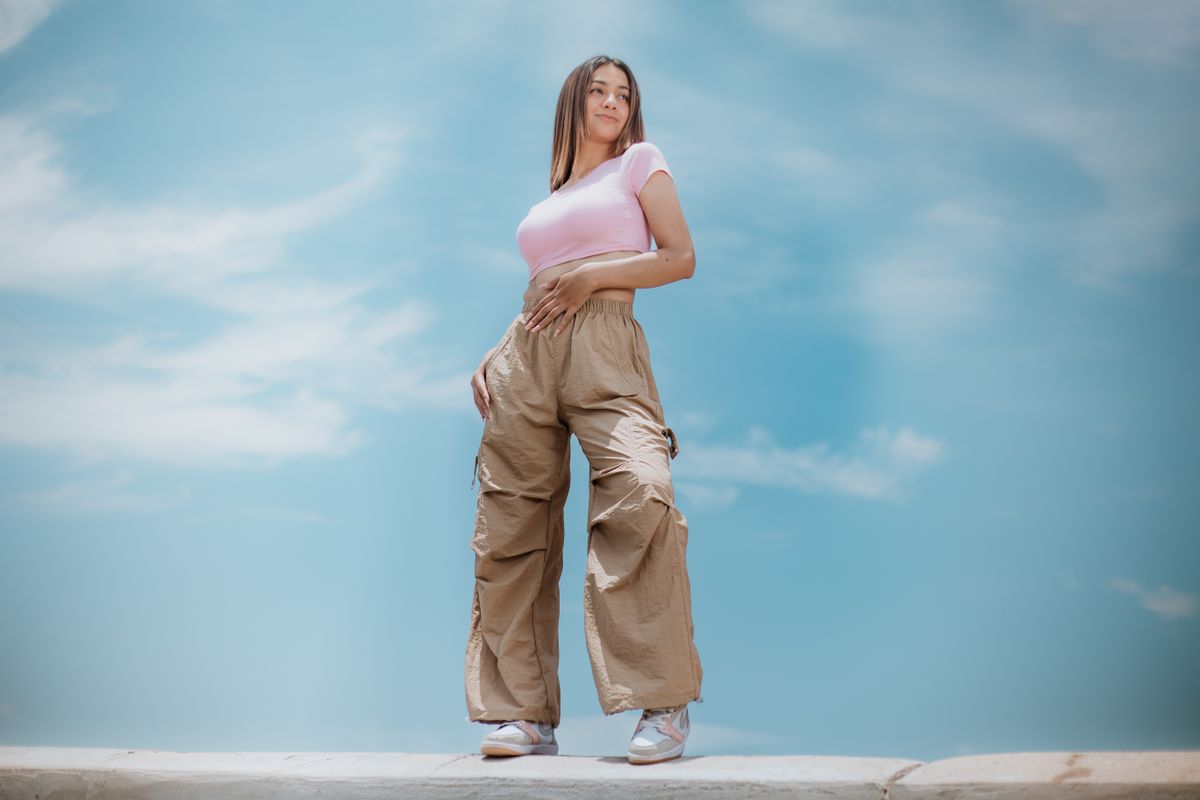
Photo by Rickson Bejar on Pexels
Looking for wide-leg linen pants designed to withstand real-life washing routines without losing their shape? Our signature wide-leg pants combine sustainable luxury with durable construction.
Real-World Laundry Scenarios: Mud, Sweat, and Daily Refreshing
Light Routine Wear (Office or Casual Outings) — Use the gentle machine wash method. Tie the drawstring in a loose bow, turn the pants inside out, place in a mesh laundry bag, and wash on a cold/delicate setting. Finger-press the front pleats smooth before hanging to air dry.
Outdoor Stains, Mud Hems, or Garden Dirt — Opt for hand washing. Pre-treat stained hem lines with dilute liquid soap and cool water, gently rubbing fabric against fabric. Soak in a clean washbasin for 10 minutes, rinse thoroughly, and gently press out excess water without twisting.
High Heat or Humid Day Refreshing — A brief 5-minute cool hand-wash soak is ideal for removing sweat salts without stripping natural fabric oils. Rinse in clear water and hang to air dry in the shade to restore crisp breathability.
Tailor your washing technique to specific real-life situations to get the best result every time.
To understand why organic linen requires intentional washing, it helps to examine how natural flax fibers interact with water and mechanical force. Flax is a bast fiber derived from the stem of the Linum usitatissimum plant. Unlike synthetic fibers or even cotton, flax possesses a highly crystalline molecular structure composed of long cellulose chains linked by hydrogen bonds.
The Science of Flax Fibers When Wet
When organic linen is submerged in water, hydrogen bonds within the fiber temporarily break, allowing the cellulose chains to absorb moisture and swell. In this state, flax fibers become roughly 20% stronger than when dry, but they also become more susceptible to structural creasing and mechanical friction. High-speed spinning in a washing machine forces wet, swollen fibers against the drum wall, creating tight cross-directional creases that disrupt the natural vertical drape of wide-leg trousers.Preserving Front Pleats and Elastic Core Integrity
Front pleats rely on directional fiber alignment. When you hand wash or use a low-spin delicate cycle inside a mesh bag, water drains along the natural line of the garment without forcing cross-grain crumpling. Finger-pressing the wet pleats realigns the hydrogen bonds as the fabric dries, locking in the sleek, tailored shape without heavy ironing.Similarly, the elastic waistband of your pants consists of internal rubber or synthetic elastane strands wrapped in organic cotton or linen thread. Exposing these elastane cores to warm or hot water causes heat degradation, weakening elasticity and creating a loose, stretched-out waist. Cold water preserves elastic memory, ensuring your pants stay supportive and comfortable over years of wear.
Complete Organic Linen Care Cluster Guides
Explore our comprehensive library of linen care resources to keep your organic wardrobe looking its best:
- How to Dry Organic Linen Pants: Air Drying Tips to Protect Waistbands and Drawstrings
- Organic Linen Laundry Care FAQ: Choosing Eco-Friendly Detergents for Natural Flax Fibers
- How to Soften Wide Leg Linen Pants Naturally (Without Harsh Chemicals)
- How to Steam Wide Leg Linen Pants: A Gentle Guide to Effortless Care
Frequently Asked Questions: Washing Wide Leg Linen Pants
Clear answers to common questions about maintaining organic drawstring linen pants.
Your Laundry Day Game Plan
Your decision: Choose hand washing for maximum pleat crispness and elastic protection, or gentle cold machine washing inside a mesh bag for easy routine care.
Do this next: Tie drawstring ends in a loose knot, turn pants inside out, place in a zippered mesh garment bag, and wash using cold water with mild eco-friendly liquid detergent.
- Read next: How to Dry Organic Linen Pants: Air Drying Tips to Protect Waistbands and Drawstrings
- Read next: Organic Linen Laundry Care FAQ: Choosing Eco-Friendly Detergents
Flax Pleated Wide Pants With Drawstrings — Crafted from durable 100% organic linen engineered for soft, resilient daily wear.
Put these care steps into practice to keep your wide-leg linen pants comfortable, stylish, and long-lasting.
Cover photo by Pietro Henricky on Pexels.